
WASHINGTON, DC — The Interorganizational Council on Regulation (ICOR)—comprised of design profession regulatory associations including the Council for Interior Design Qualification (CIDQ), the Council of Landscape Architectural Registration Boards (CLARB), the National Council of Architectural Registration Boards (NCARB), and the National Council of Examiners for Engineering and Surveying (NCEES)—has released landmark guidance to address longstanding challenges related to overlapping and incidental practice among the licensed and certified design professions. This guidance was developed through an unprecedented, multi-organization collaboration to help regulators and professionals understand the roles and responsibilities of the different professions and where they overlap.
“What makes this effort truly significant is the level of collaboration behind it,” said Wendy Ornelas, Chair of the ICOR Practice Overlap Task Force. “Regulatory leaders and subject matter experts from across the design professions worked together to identify where practice legitimately overlaps and where clear boundaries are necessary. Grounded in recognized standards, this collaboration helps ensure the guidance reflects real-world practice while upholding our shared commitment to protecting the health, safety, and welfare of the public.”
Launched in 2022, the Practice Overlap Task Force is the first coordinated, multi-profession effort to bring clarity, consistency, and transparency to areas where the scopes of architecture, engineering, interior design, landscape architecture, and surveying intersect. The goal is to support defensible regulatory decision-making while encouraging appropriate interdisciplinary collaboration to protect public health, safety, and welfare.
Guided by a steering committee and informed by dozens of volunteer subject matter experts from across 27 jurisdictions, the initiative analyzed licensure and certification standards across all five professions—including definitions of practice, education, experience, and examination requirements. The review identified 53 topic areas where overlap may occur, which were organized into several groups, outlining tasks where shared involvement is appropriate and does not create regulatory conflict and where clear delineation and regulation is required to ensure competent practice.
The resulting Practice Overlap Guidance offers shared benefits across professions by:
- Providing a clearer, more consistent understanding of who is qualified to perform specific tasks
- Supporting interdisciplinary work without unnecessary restrictions
- Strengthening the credibility and value of licensure
- Highlighting areas where qualified professionals may be underrecognized
- Reducing conflict by identifying logical overlaps based on competence to practice safely
How Boards and Jurisdictions Can Use Guidance
Regulatory boards may use this resource to:
- Evaluate practice complaints, disciplinary matters, and scope-related questions
- Inform updates to statutes, rules, and policies, including in consolidated board structures
- Educate new board members, legal counsel, and staff on distinctions and commonalities among the professions
ICOR recognizes that change will occur incrementally, but the resource provides a solid foundation for future improvements.
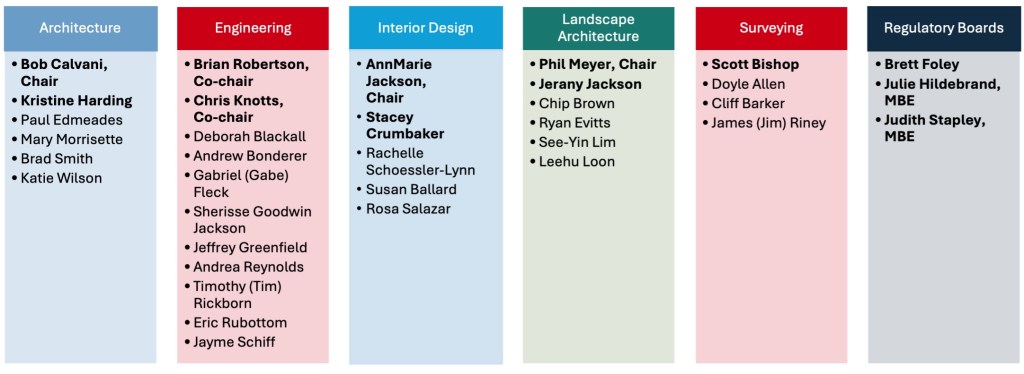
This milestone would not have been possible without the dedication and expertise of a committed committee of volunteers. Representing diverse perspectives from across five professions, these individuals generously contributed their time, knowledge and leadership to advance this important work. Bold styling indicates volunteers who served on the Steering Committee, which served as the decision-making body and was intentionally structured with balanced representation across the professions, including regulatory leaders, board executives and a public member.
 ICOR
ICOR 